
Do I Need Planning Permission for a Surrey Garden Office? The "Incidental Use" Rule Explained

May 29, 2026

Share this article

With commuter habits across Surrey permanently shifting towards hybrid and remote working, the demand for dedicated home workspaces has skyrocketed. From affluent residential avenues in Esher and Weybridge to rural properties in Dorking and Haslemere, thousands of homeowners are transforming their gardens with bespoke timber and modular office pods.


While these structures are an exceptional lifestyle upgrade, navigating the planning system can be minefield. The most common question remote professionals ask is: Can I legally work from a garden office full-time without planning permission?


The answer depends entirely on a critical legal phrase used by local planning authorities: Incidental Use.

The Legal Threshold: What is "Incidental Use"?

Under Schedule 2, Part 1, Class E of the Town and Country Planning (General Permitted Development) Order, you are permitted to construct a detached outbuilding within your garden curtilage without a formal planning application, provided its purpose is “incidental to the enjoyment of the dwellinghouse”.


In plain English, "incidental" means the activity taking place inside the garden room must be secondary, subordinate, and non-residential in its function compared to the main house.


Historically, planning departments viewed incidental uses strictly as storage, greenhouses, or hobby workshops. However, UK planning law has evolved. Today, using a garden room as a personal office for remote working or running a solo digital business is widely accepted as an incidental use.


If you are simply sitting at a laptop, making video calls, or managing a corporate workload from home, your garden office remains safely within your Permitted Development rights—provided the physical building meets standard Class E structural height and boundary criteria.

When a Garden Office Triggers a "Material Change of Use"

The line between an incidental home office and a breach of planning control is thin. If your day-to-day work patterns alter the residential character of your property, you will cross the line into a Material Change of Use, which legally mandates a full planning application.


Surrey borough enforcement teams (such as those at Elmbridge, Woking, or Reigate & Banstead) will investigate a garden office if it triggers any of the following commercial markers:


1. Client and Visitor Footfall


If you run a business where clients or patients physically visit your garden studio—such as a private physiotherapy clinic, a beauty salon, or face-to-face tutoring—it is no longer considered incidental. The regular arrival of external visitors changes the residential dynamic of your property.


2. Employing Staff On-Site


If your business expands and you hire employees who report to work inside your garden building on a daily basis, you have effectively established a commercial business premises in your garden, which violates residential zoning.


3. Commercial Deliveries and Storage


Utilizing your outbuilding to store massive quantities of commercial stock, or generating frequent courier collections and heavy goods vehicle deliveries on a residential street, will instantly flag council intervention.

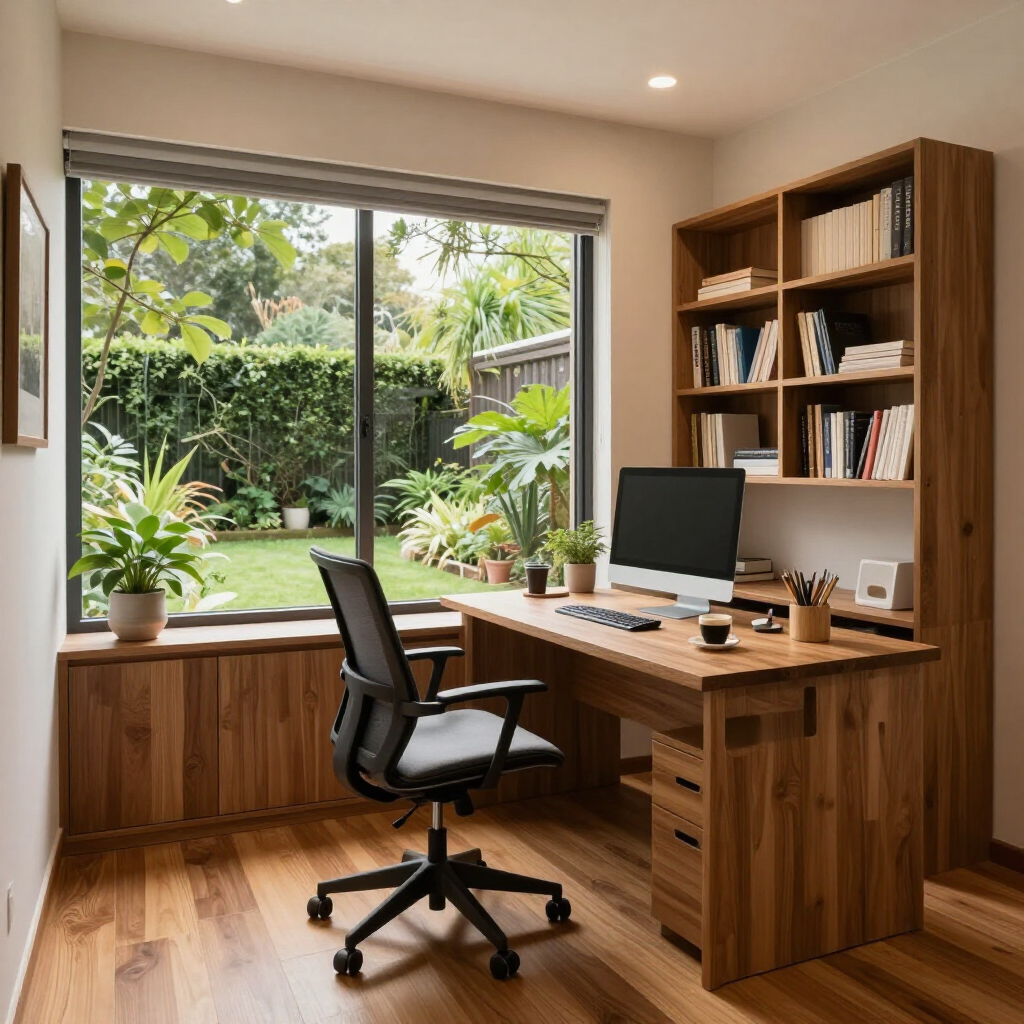
Surrey garden office

The "Ancillary Accommodation" Trap: Plumbing and Sleeping

Another common pitfall involves the interior specification of the build. If you install a toilet, shower, or kitchenette to make your working day more comfortable, you must tread carefully.


While adding a basic toilet facility or internet connection rarely strips away your Permitted Development rights, adding full showering and cooking facilities can make local authorities suspicious. If a Surrey council officer believes the structure is capable of being used as independent living accommodation or an overnight guest suite, they will rule that it is an ancillary dwelling rather than an incidental office.


Ancillary spaces—such as granny annexes, holiday lets, or extra bedrooms—never fall under Permitted Development Class E and always require formal planning permission before construction begins.

How Surrey Councils Monitor Outbuildings

Surrey's local authorities are highly proactive in protecting residential areas. Councils routinely use high-resolution aerial photography, satellite imagery, and Land Registry updates to spot newly erected garden structures.


The 10-Year Enforcement Rule: Homeowners should note that following national planning amendments, councils now have a full 10-year window to issue enforcement actions against unauthorized buildings or illegal changes of use. If your build breaches Class E limits, you are vulnerable to enforcement action for a decade.


The most common trigger for a council planning investigation is a neighbour complaint. If a garden office blocks a neighbour's light, sits too close to a boundary fence line, or causes noise disruption due to client visits, a complaint to the borough enforcement officer will result in an enforcement file being opened.

Ensure Your Workspace is 100% Compliant

Before you sign a contract with a garden room manufacturer, make sure you have checked both the physical dimensions of the structure and your intended business use against Class E criteria.


  • Is the roof cap strictly under 2.5 metres if built near your boundary?
  • Does your garden fall under an Article 4 Direction or Conservation Area constraint?


If you want to ensure your proposed office footprint is legally watertight before assembly begins, let us help. Our independent framework connects you with vetted, fully insured Surrey outbuilding specialists who can conduct a precise, obligation-free site dimension survey.


Disclaimer:The information provided on this page is for general guidance purposes only and does not constitute formal legal or professional planning advice. While we make every effort to ensure our compliance criteria are accurate and reflective of current English planning policy (last verified: May 2026), planning laws, building regulations, and local Article 4 directions are subject to frequent change. We strongly advise obtaining a Lawful Development Certificate (LDC) from your Local Planning Authority before commencing any physical building works.

Recent Posts

Building Regulations for Surrey Garden Rooms and offices
August 6, 2026
Clear guide on UK Building Regulations for Surrey garden offices and rooms. Learn the 15m², 30m², non-combustible cladding, and Part P electric rules.

Surrey Heath planning rules for garden rooms
August 6, 2026
Complete guide to building a garden room in Surrey Heath under Class E Permitted Development. Covers Camberley, Bagshot, Lightwater, and Frimley rules.
June 25, 2026
If your proposed garden office, gym, or studio fits neatly within the boundaries of national Permitted Development (Class E) guidelines, you are legally entitled to build without submitting a formal householder planning application.  However, "building without planning permission" is not the same as having official confirmation that your build is entirely legal. Local planning rules are complex, and subtle misinterpretations of boundary heights, curtilage percentages, or usage definitions can leave you vulnerable to investigations from borough enforcement officers. For absolute legal peace of mind, many Surrey homeowners choose to secure a Lawful Development Certificate (LDC) .

Soil Conditions for Surrey Garden Room
June 25, 2026
Building a garden room in Surrey? Discover how shrinkable clay soil, mature trees, and ground heave impact outbuilding base requirements.
May 29, 2026
Can you build a garden room on Green Belt land in Surrey? Discover the hidden 10-metre boundary rule, size restrictions, and Class E exemptions.